
Become a Water Sommelier
Becoming a water sommelier is a real specialty, although it is much less standardized than becoming a wine sommelier. The basic idea is to learn to evaluate water the way a wine professional evaluates wine—source, mineral composition, aroma, taste, mouthfeel, temperature, carbonation, terroir, and food pairing.
The Typical Path
1. Develop a Palate
- Taste still, sparkling, mineral, spring, purified, artesian and naturally alkaline waters.
- Compare waters side-by-side.
- Learn to identify differences in minerals, acidity/alkalinity, carbonation, salinity, sweetness, bitterness and mouthfeel.
- Practice blind tasting.
2. Learn Water Chemistry
What you want to understand:
- Total dissolved solids (TDS)
- Calcium.
- Magnesium
- Sodium.
- Potassium.
- Hardness.
- Total dissolved solids (TDS)
- Calcium.
- Magnesium
- Sodium.
- Potassium.
- Hardness.
- Bicarbonate.
- Sulfates
- Chloride
- pH.
- Carbonation.
This is where water tasting becomes considerably more scientific than simply saying, "This water tastes good."
- Study water sources and terroir
Learn how geography affects water:
- Glaciers
- Mountains
- Aquifers
- Springs
- Volcanic regions
- Limestone formations
- Mineral springs
- Artesian sources
A good water sommelier should be able to explain why two waters from different geological environments taste different.
- Take professional training
There are specialized water-sommelier programs. One of the best-known organizations associated with formal water-sommelier education is the Fine Water Academy, which offers education around fine-water tasting and water culture.
There are also water-focused courses and certifications offered by other organizations, so the credential landscape is not as universally standardized as wine's WSET/Sommeliership ecosystem.
- Learn food pairing
This is where the profession becomes particularly interesting.
For example, a water professional might consider:
Light mineral water → delicate fish
Highly carbonated water → rich/fatty foods
High-bicarbonate water → certain heavier dishes
Low-mineral water → delicate dishes where you don't want the water competing with the food
The goal isn't necessarily to prescribe one "correct" water. It's to understand how water interacts with food.
- Build tasting experience
I'd recommend keeping a formal tasting journal.
For every bottle, record:
| Category | What to evaluate |
| Source | Spring, aquifer, glacier, etc. |
| Origin | Country/region |
| Mineral profile | Ca, Mg, Na, bicarbonate, etc. |
| TDS | Dissolved mineral concentration |
| pH | Acidity/alkalinity |
| Carbonation | Still → highly sparkling |
| Aroma | Neutral, mineral, earthy, sulfurous, etc. |
| Taste | Sweet, salty, bitter, metallic, neutral |
| Mouthfeel | Soft, silky, crisp, heavy, sharp |
| Finish | Short, clean, lingering |
| Food pairing | Best culinary applications |
| Overall | Personal assessment |
How long does it take?
You could learn the fundamentals in a few months, but becoming genuinely good at blind tasting and identifying mineral characteristics would require substantially more practice.
A serious path might look like:
Month 1–2: Water chemistry + tasting fundamentals
Month 3–4: Regional/source study + blind tasting
Month 5–6: Food pairing + professional tasting methodology
6–12+ months: Build a substantial tasting portfolio and pursue formal certification
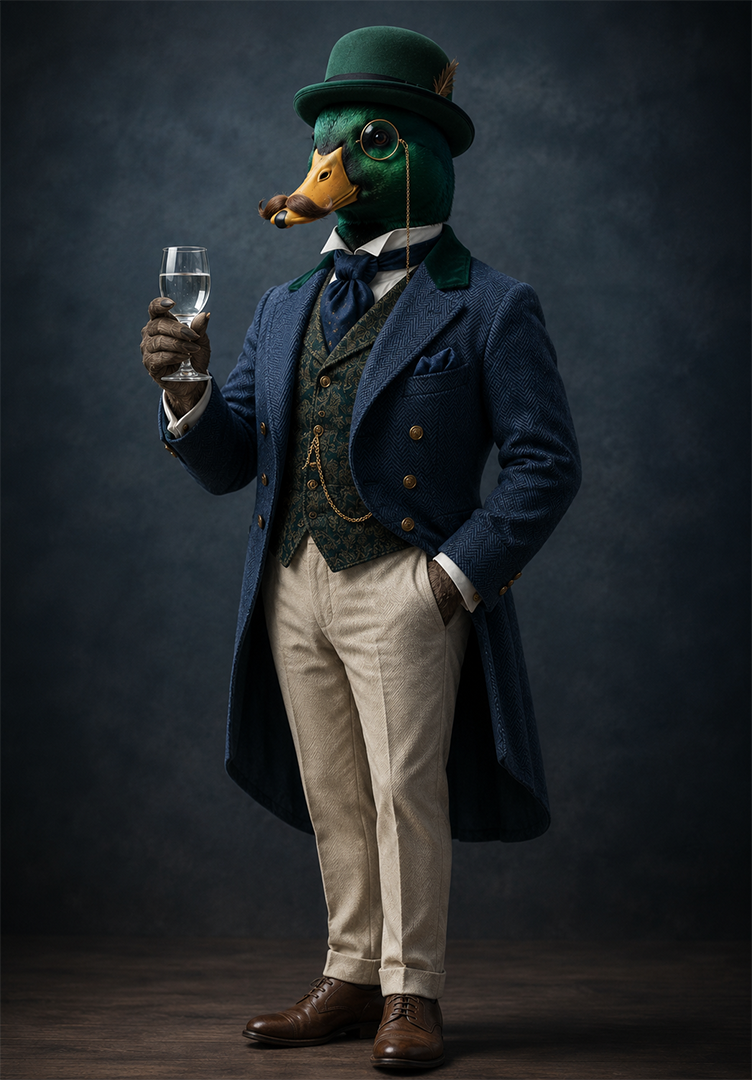
You can find out more about the Snobby Duck Water Sommelier Certification HERE.